
"Brazil coffee industry"
5000 article(s) found

El Salvador Himalayan Coffee Estate Features Variety Grind Treatment Taste Introduction
San Salvador, Bahia. An important natural deep-water port on Brazil's Atlantic coast, capital of Bahia. Located on the east coast of the Bay of Todos (Santos). With a population of 3,459,377 (as of August 1, 2010), it is the eighth largest city in Brazil. It is one of the oldest cities in Brazil, founded in 1549, and the first churches were built by Jesuit priests in 1549. until 1763.

Bolivia, Puerto Rico, Brazil, Brazil, origin of coffee beans.
Puertp Rico in 1736, coffee trees were introduced into Puerto Rico from Martinique. Most of the early coffee was grown by immigrants from Corsica. By 1896, Puerto Rico was the sixth largest exporter of coffee in the world, with most coffee shipped to France, Italy, Spain and Cuba. Coffee farms flourished in the 19th century, but sugar cane and medicine

What are the coffee bean farms in Brazil and what cooperative importers are there in China?
What are the coffee bean farms in Brazil? what are the cooperative importers in China? ancient bourbon coffee is grown on some estates in the Serrado district of Minas Greais state in southeastern Brazil. These estates, such as Capin Branco and Vista Allegre, are also on the market for old bourbon coffee.

Brazilian coffee production area time processing method Introduction Brazilian coffee bean flavor aroma characteristics Taste description
Coffee farming is highly dependent on climate and geography, which is why it is important to distinguish between regions. Zairo said that for coffee to grow, the higher the better. At the same time, the temperature should be between 15 and 25 degrees Celsius, and the flowering period should have sufficient rainfall to ensure the normal growth of flowers and fruits. Brazilian Coffee Industry Cooperation Organization spokesman Paul Elias had previously

Brazil, the world's largest coffee producer and exporter
Brazil is famous all over the world for its high quality and strong taste of coffee. It is the largest coffee producer and exporter in the world and is known as the coffee kingdom. Coffee originated in Ethiopia in Africa and was introduced into Brazil in 1727. Brazil is located in the southeast of South America, located in the tropics and subtropics, the unique geographical and climatic conditions are suitable for growing coffee, coupled with cheap labor, coffee growing industry is booming. one
Brazil Coffee The world's largest coffee producer Brazil Coffee such as Rio
Brazil, the largest producer of coffee, accounts for one-third of global consumption of all grades and varieties, and has a place in the global coffee market. Although Brazil faces many times more natural disasters than other regions, its arable area is enough to compensate. There are many kinds of coffee here, but its industrial policy is large and cheap, so it is especially superior coffee and

Introduction to the flavor and taste of Brazilian coffee the characteristics of Brazilian coffee in Brazilian coffee producing areas
Due to the overproduction of coffee in the world and the low price of coffee in the international market, even reaching the lowest level in nearly 30 years (from January 2001 to January 2002 alone, the price of small-grain coffee in Brazil plummeted by 63.4% and that of large-grain coffee by 73.9%). The Brazilian government is implementing an emergency plan to resume coffee production activities and formulate promotion strategies, such as increasing the added value of products, improving and replacing varieties, and establishing

The crisis of the coffee bean industry the most valuable legal commodity on earth
Apart from oil, coffee is the most valuable legal commodity on earth. We will understand the impact of cheap coffee and popular marketing on coffee consumers and growers. Why did these coffee beans, which were originally as expensive as gold, end up with bad results? For more than a hundred years, the price of coffee has spiraled up and down in the rise and fall cycle. It has brought endless wealth to some people as well as to many people.

Brazilian Coffee Bean varieties Brazilian Coffee characteristics Taste suggestion of Brazilian Coffee
Professional coffee knowledge exchange more coffee bean information please pay attention to the coffee workshop (Wechat official account cafe_style) Brazil is a large coffee producer, a large number of Europeans emigrated to Brazil to find suitable places to grow coffee, until today there are a large number of coffee gardens in Brazil, the coffee produced in addition to being sold all over the world, Brazilians have been trained every day since childhood.

Introduction to the flavor and taste of Brazilian coffee brand Brazilian coffee
The largest coffee producer, which accounts for 1/3 of the world's coffee consumption, accounts for 1/3 of the world's coffee consumption and has a place in the global coffee market, although Brazil faces several times more natural disasters than other regions. but its acreage is enough to make up for it. Brazilian coffee fruit there are many kinds of coffee here, but its industrial policy is large and cheap.

What is the difference between Yunnan coffee and Brazilian coffee? Analysis on the initial processing stage of Coffee in Yunnan
Professional coffee knowledge exchange more coffee bean information please follow the coffee workshop (Wechat official account cafe_style) this article from the coffee primary processing process of fresh fruit picking, fresh fruit grading, peeling, degumming, drying, cleaning points

Introduction to the varieties of Brazilian Coffee Bean Flavor description and Taste treatment method
The Flavor description of Brazilian Coffee Bean production Variety introduction the great economic crisis in 1929 sharply reduced the world consumption of coffee, which dealt a heavy blow to the Brazilian coffee plantation economy. Since then, the proportion of Brazilian coffee production in export earnings has plummeted. Over the past 30 years, with the development of modern Brazilian industry, especially steel, shipbuilding, automobile, aircraft manufacturing, etc.

Brief introduction of coffee producing country Brazil what are the advantages and disadvantages of historical strip picking of Brazilian coffee beans?
Brazil country profile: area-8515770 square kilometers of the capital-main port city of Brasilia-Port Santos population-205823665 (July 2016) spoken language-Portuguese (official), German, some Spanish, various American Indian languages, English about coffee: the population involved in coffee-about 360000

Semi-washing and complete washing in Brazil Super sun-dried beans and honey-prepared beans in Brazil
In Brazil, coffee cherries during the May harvest have already emitted a rich ripe aroma and need to be picked urgently. The harvest season will last until the end of August. 35% of the fresh coffee fruit is harvested by machine, while the remaining 65% is done by hand. It is the perfect balance of machine technology and handwork that ensures the highest quality of the coffee cherries picked. Brazil is blessed by nature.

What kind of coffee is rich in Brazil? Flavor describes the taste characteristics.
What kind of coffee is rich in Brazil? Taste description characteristics the boutique coffee produced in Altamo Giana region has a strong and outstanding fruity aroma, accompanied by soft nutty and chocolate flavor shadows. bring a hint of nostalgia Brazilian coffee has been its pillar industry for a long time. In the market, coffee and its processed products are rich in caffeine
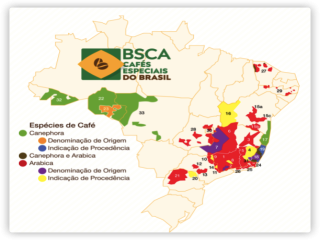
Colombian Coffee Coffee Brazilian Coffee Common differences medium and deep roasted Brazilian Colombian coffee beans flavor characteristics taste
Professional coffee knowledge exchange more information about coffee beans Please follow the coffee workshop (Wechat official account cafe_style) some of the world's most popular coffee comes from South America, and perhaps there is no better country in the region than Brazil. Coffee arrived in Brazil in 1727. Since the 1840s, Brazil
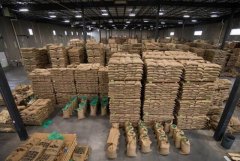
How much is the export standard of coffee and raw bean traders, Ethiopia, Brazil, Honduras, Kenya and Indonesia?
Generally speaking, Central America is 69kg, Colombia and Bolivia 70kg, and the rest of the world is 60kg. Industry standards are a wonderful thing. In fact, by looking at the uneven standards of various countries, we can see that the coffee industry has not yet reached a sufficiently mature stage in the process of global trade. Not only does there not have a global standard for the weight of gunny bags, but even the consumer side is the most

Introduction to the Regional treatment method of Bourbon Rivida Coffee beans in Brazil
Brazilian Bourbon Rivida Coffee beans characteristics Brand Flavor Flavor Manor Regional treatment method includes all coffee beans grown in Brazil, except for Sandos, Brazilian beans are mostly cheap and high-quality coffee. Can be used for mass production of comprehensive coffee beans, most of which are re-roasted. The main raw material of instant coffee is also Brazilian coffee beans. When the coffee bean germ is very fresh, it is artificially refined and let it

Introduction to the taste of the grinding scale of the varieties produced by the regional treatment method of coffee plantations in Brazil
Brazilian Coffee Farm Regional treatment Variety Grinding scale Taste introduces the ancient bourbon coffee is grown in some estates in the Serrado district of Minas Greais state in southeastern Brazil. These estates, such as Capin Branco and Vista Allegre, grow old varieties of bourbon coffee

Latin American coffee industry in crisis Brazilian coffee production reduces Brazilian coffee growers
Professional coffee knowledge exchange more coffee bean information Please pay attention to the coffee workshop (Wechat official account cafe_style) International coffee bean prices have fallen to a 13-year low, prompting many disappointed farmers in Central and South American countries to give up cultivation, triggering fears that the coffee industry will fall into crisis. Experts pointed out that the outlook for coffee bean prices will depend on the exchange rate trend of Brazil's Lille. New York